
Introduction Synthetic colorants often rely on chemicals like benzene,toluene, and naphthalene as key raw materials. They’re favoredfor their low cost, vibrant colors, strong pigmentation, and … Read More ›
Introduction Synthetic colorants often rely on chemicals like benzene,toluene, and naphthalene as key raw materials. They’re favoredfor their low cost, vibrant colors, strong pigmentation, and … Read More ›
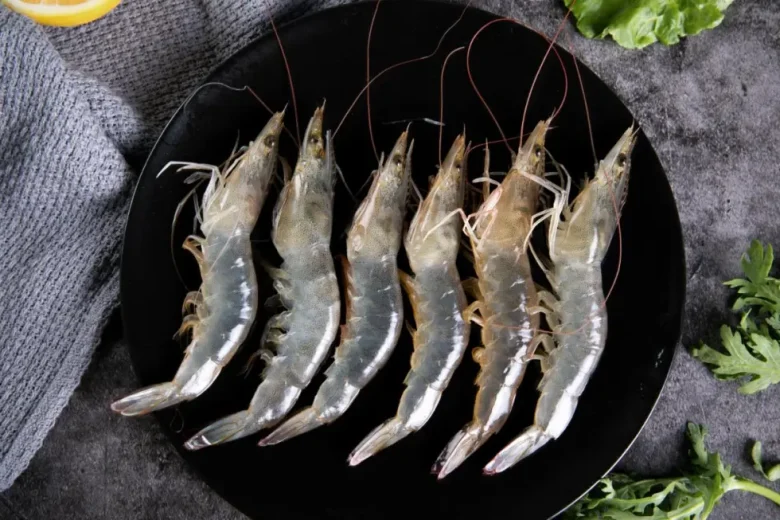
Introduction Tetracyclines are widely used antibiotics in animal husbandrydue to their cost-effectiveness and strong antibacterialactivity. Although HLB cartridges have been the conventionalmethod for purification sulfonamide, … Read More ›

Introduction Sulfonamides, cost-effective and widely used in pig farming,can accumulate in Beef, posing health risks. While SPEcartridges have been the conventional method for purifyingsulfonamide, the … Read More ›

Introduction Sulfonamides, cost-effective and widely used in pig farming,can accumulate in Beef, posing health risks. High fat andphospholipid in Beef complicate residue detection. Theaccumulated phospholipid … Read More ›
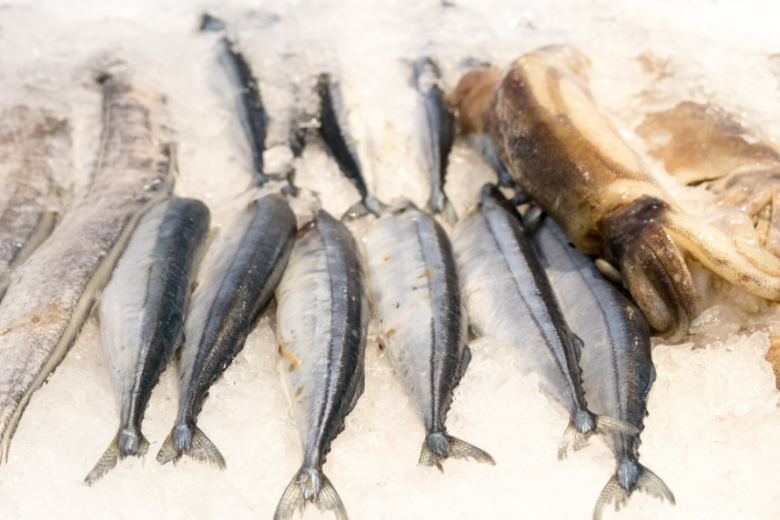
Introduction Sulfonamide, quinolone and tetracycline antibiotics arecommon human-animal antibiotics, used in both humansand animals. Due to their cost-effectiveness and effectiveantimicrobial properties, they are widely employed … Read More ›
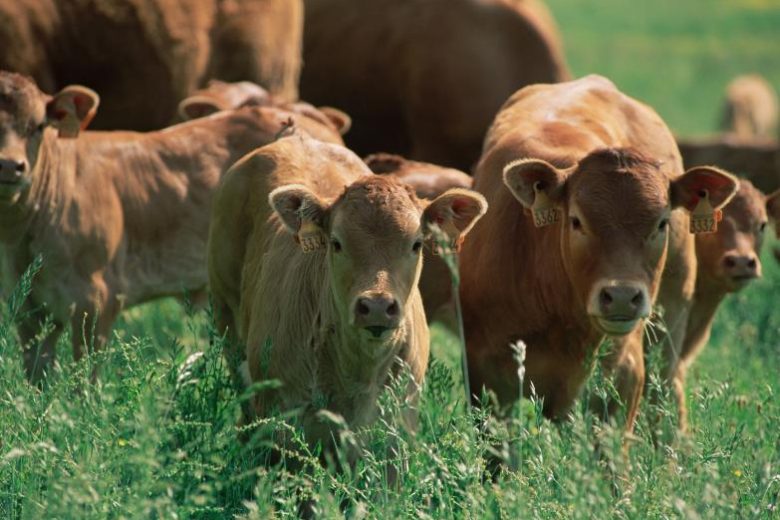
Introduction Comparing to traditional SPE cartridges, Copure® HLB LimCartridges for Multi-Residue Analysis of Veterinary Drugremove various interferers such as fats, phospholipids,and pigments more rapidly to … Read More ›

Introduction Comparing to traditional SPE cartridges, Copure® HLB LimCartridges for Multi-Residue Analysis of Veterinary Drugremove various interferers such as fats, phospholipids,and pigments more rapidly to … Read More ›

Experiment Extraction Weigh 2 g of ground Beef into a 50 mL centrifuge tube. Add100 μL of 0.100 μg/mL internal standard solution. Vortex for 30s, … Read More ›
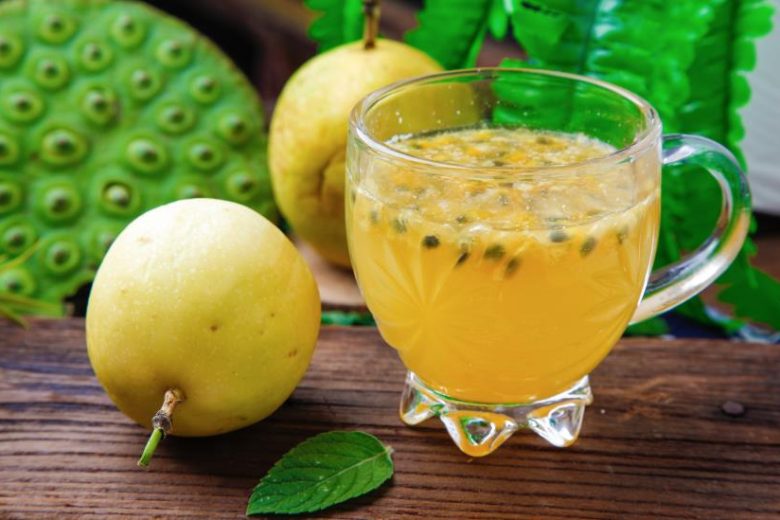
Introduction 4-Methylimidazole (4-MI) is a contaminant of carcinogenicrisk that is commonly found in food as a by-product of theproduction of caramel coloring. Biocomma established a … Read More ›

Introduction Streptomycin and dihydrostreptomycin belong toaminoglycoside antibiotics, which have antibacterial activityagainst Gram-negative bacteria to prevent from variousanimal diseases. In the beekeeping industry, streptomycinand dihydrostreptomycin effectively … Read More ›